


How Does GPS Work on a Smartwatch? (Complete Beginner's Guide)
Introduction
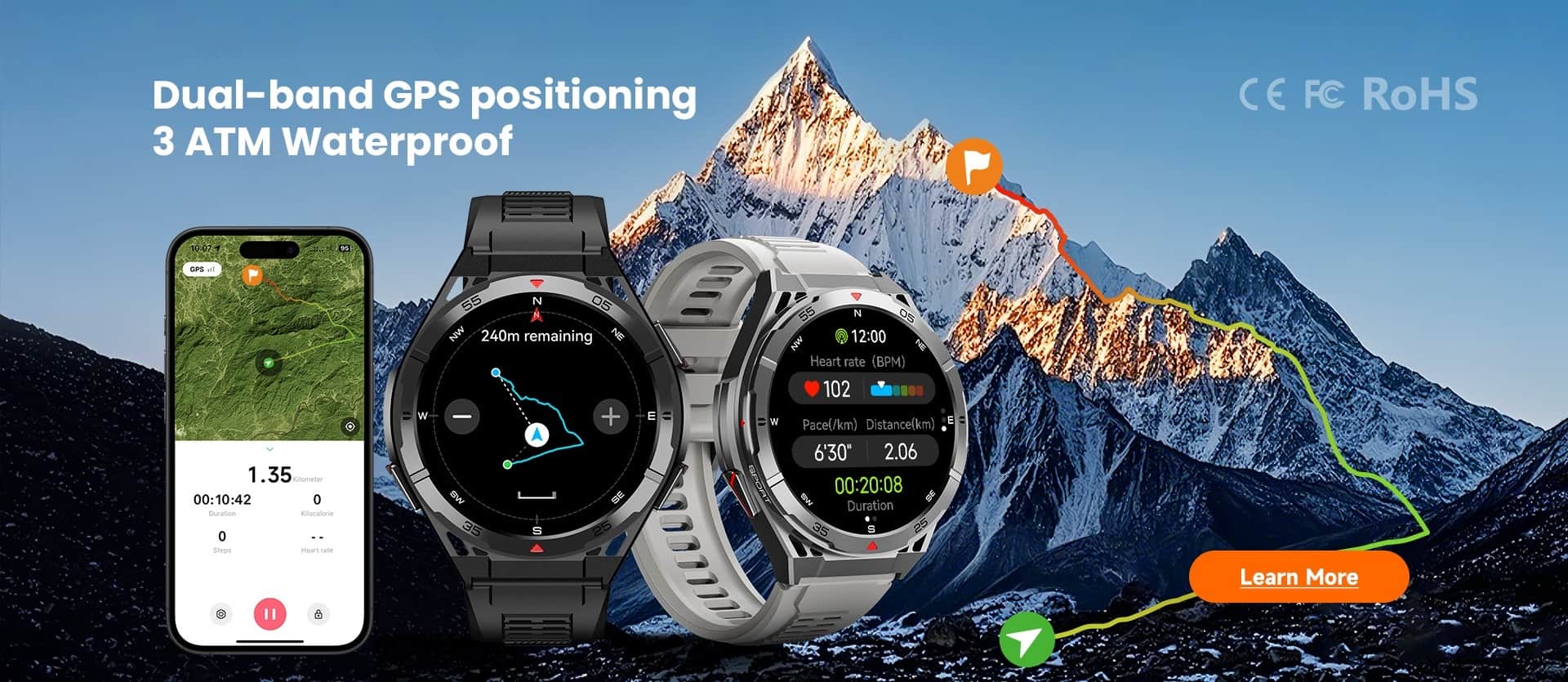
As Google Trends shows, the search trends for GPS smartwatches keep growing in recent years. But some consumers have some doubts about it before buying and using it.
In this guide, we'll explain exactly how GPS works on a smartwatch—from the satellites in space to the receiver on your wrist.
Part 1: What Is GPS on a Smartwatch?
First of all, a GPS smartwatch doesn't need Wi-Fi or cellular data to receive GPS signals. It works completely independently of any cellular network. Bluetooth connects your watch to your phone over short distances. GPS connects to satellites in space.
So, what is GPS?
GPS stands for Global Positioning System. It's a network of approximately 31 satellites orbiting the Earth at an altitude of 20,200 kilometers. These satellites continuously broadcast signals containing their position and precise time. Your smartwatch has a built-in GPS receiver that receives these signals and calculates your location.
Part 2: How Does a GPS Smartwatch Position It?
This is the core of how GPS works. Your watch determines your location using an algorithm called trilateration.
GPS Satellites (4 or more)
↓
Watch receives signals
↓
Calculates distance from each satellite
↓
Determines your exact location
↓
Displays your route on the watch
However, in practical use, due to a slight time error between the watch's built-in clock and the satellite's atomic clock, GPS watches typically need to lock onto at least four satellites to achieve accurate positioning. The more satellites your watch "sees," the faster and more accurate the positioning.
This is why smartwatches now support multiple satellite positioning systems—for example, simultaneously receiving signals from multiple satellite systems such as the US's GPS, China's BeiDou, Russia's GLONASS, and the EU's Galileo. The coordinated operation of multiple systems ensures a stable and reliable positioning experience, even in environments with severely obstructed signals, such as buildings or forests.
Part 3: Why Does GPS Positioning Take Time?
You might wonder why GPS sometimes takes a long time to lock onto a location, while other times it only takes a few seconds.
This is because the GPS receiver's startup state differs.
Cold Start: Your watch has no available data.
Scenario: First time using GPS
Watch battery completely dead
Taken 30 to 40 seconds to lock onto a location.
Warm Start: Your watch has some necessary data.
Common Scenario: You've been located in this area in the last two days, or your watch has been off for several hours, but you're still in the same area.
Time Required: 2-5 seconds
For example, if you wear our X5 smartwatch for an outdoor run and connect it to the GloryFitPro app on your smartphone, initial location typically takes less than 60 seconds, requiring an open area with the watch screen facing the sky.
If it's a warm start update of the ephemeris, location will usually be completed within 6-8 seconds. If connected to the app and running normally in the background, with AGPS assistance, location can be achieved in 2 seconds.
Why This Matters
If your GPS is taking a long time to lock, it's likely in a cold start. Once it locks, subsequent uses in the same area will be much faster. This is why a built-in GPS smartwatch performs better after the first use.
Part 4: What Factors Affect GPS Positioning Accuracy?
The following factors can interfere with the signal received by your watch:
Buildings - Tall buildings can block or reflect GPS signals, especially in city centers. This causes "drift," meaning your track shows a location that doesn't match your actual location.
Forests - Dense trees weaken GPS signals, reducing positioning accuracy.
Mountains - Steep terrain can obscure satellites near the horizon, reducing the number of satellites your watch can receive.
Weather- Heavy rain, heavy snow, or thick clouds can slightly weaken the signal.
Satellite Visibility - Your watch needs to be able to clearly receive signals from at least 3-4 satellites. GPS doesn't work reliably indoors or underground.
Dual-Frequency GPS - This is the biggest difference between entry-level and high-end watches. We will discuss this in more detail below.
Part 5: Single-Band vs Dual-Band GPS
This is why some GPS watches cost significantly more than others.
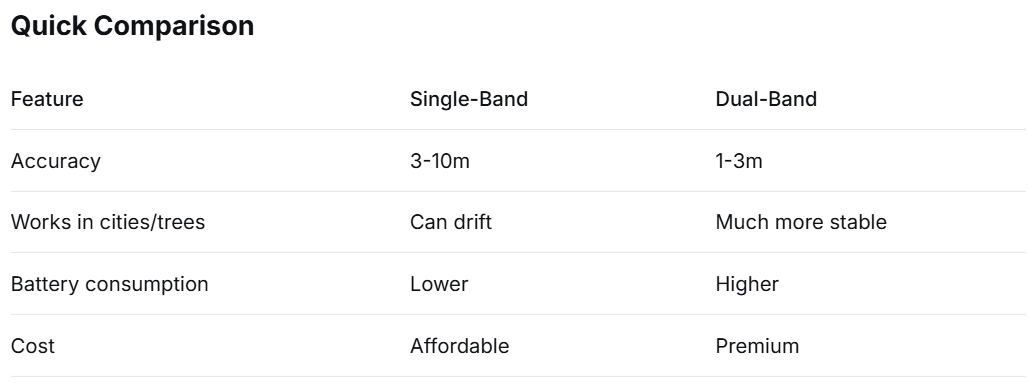
Single-Band GPS
Traditional GPS watches receive signals on one frequency band (L1).
Limitations: Struggles in cities, forests, and mountains. Signals can bounce or be blocked, causing drift.
Dual-Band GPS
Dual-band GPS receives signals on two frequency bands:L1 and L5.
The L5 band is more resilient to interference and penetrates obstacles better.
Which one should you choose?
If your outdoor activities are mainly in open areas, parks, and suburbs: single-frequency GPS is usually sufficient.
If you frequently hike in mountains, forests, or city centers: the advantages of dual-frequency GPS are obvious.
This is why high-end smartwatches are more expensive—dual-frequency hardware and processing power increase manufacturing costs.
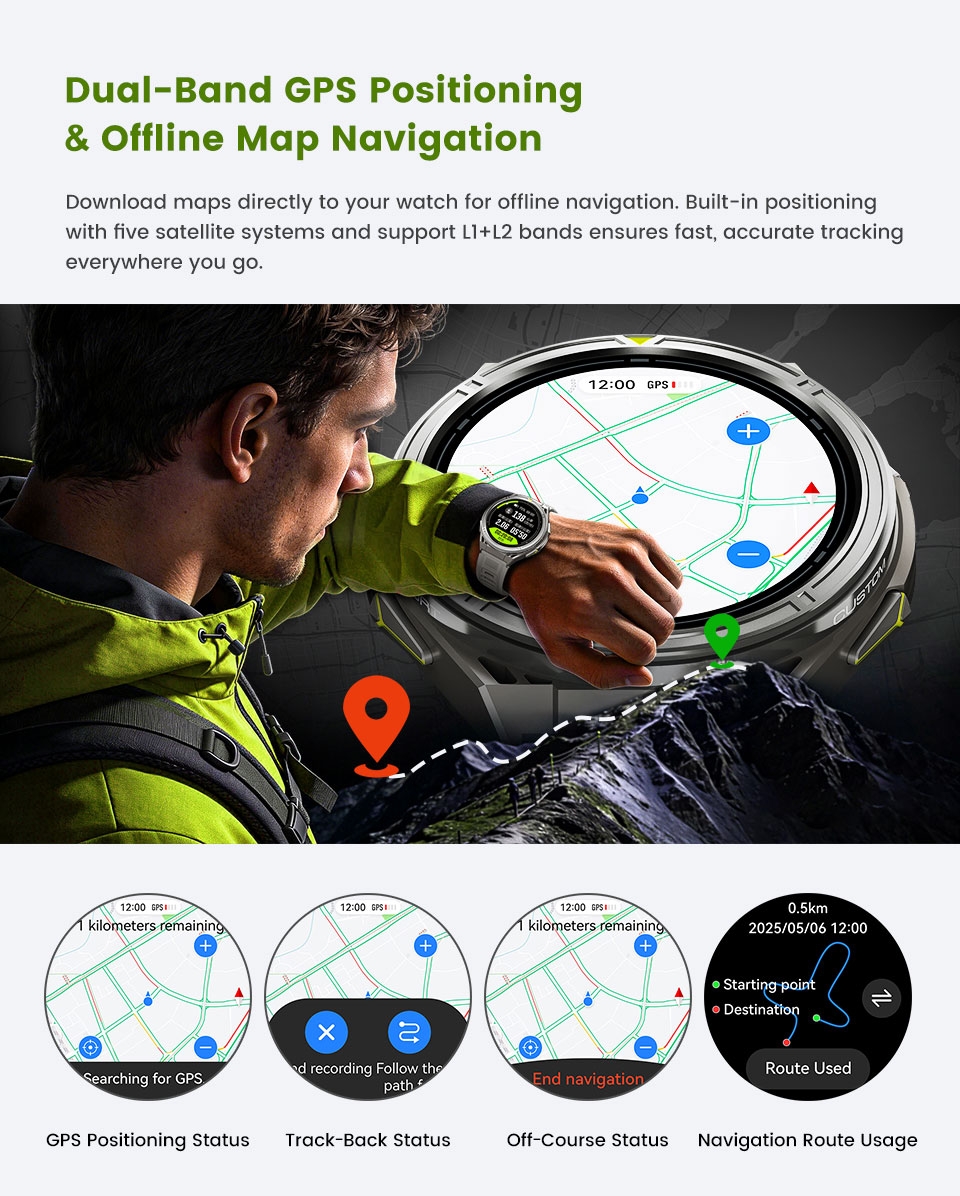
Leadoys X2Pro GPS Smartwatch - Offline Map & 5ATM Waterproof with WhatsApp Reply
Part 7: Frequently Asked Questions
1) Does GPS require an internet connection?
No. GPS works entirely via satellite signals. Your watch doesn't need Wi-Fi or cellular data to determine your location.
2) Can GPS work without Bluetooth?
Yes. GPS is completely independent of Bluetooth.
3) Can GPS work without a phone?
Yes. Smartwatches with built-in GPS have their own receiver. They can track your location without a phone.
4) Can GPS be used abroad?
Yes. GPS is a global system with worldwide coverage.
5) Does GPS drain the battery?
Yes—it's one of the most power-consuming features on a smartwatch. Continuous GPS use can significantly reduce battery life.
6) Why is my GPS sometimes inaccurate?
Many factors affect positioning accuracy: buildings, trees, mountains, weather, and the number of satellites your watch can "see." For best results, use GPS in a clear, open area without clouds.
7) Can GPS be used indoors?
No—GPS signals are unstable indoors. GPS signals are too weak to penetrate most building materials.
Part 8: How We Choose GPS Solutions at Leadoys
There are various GPS smartwatches in our lineup, single-band, dual-band, long battery life. Even thought dual band gps smartwatch is very good in genetal, but recommended it for all customers.
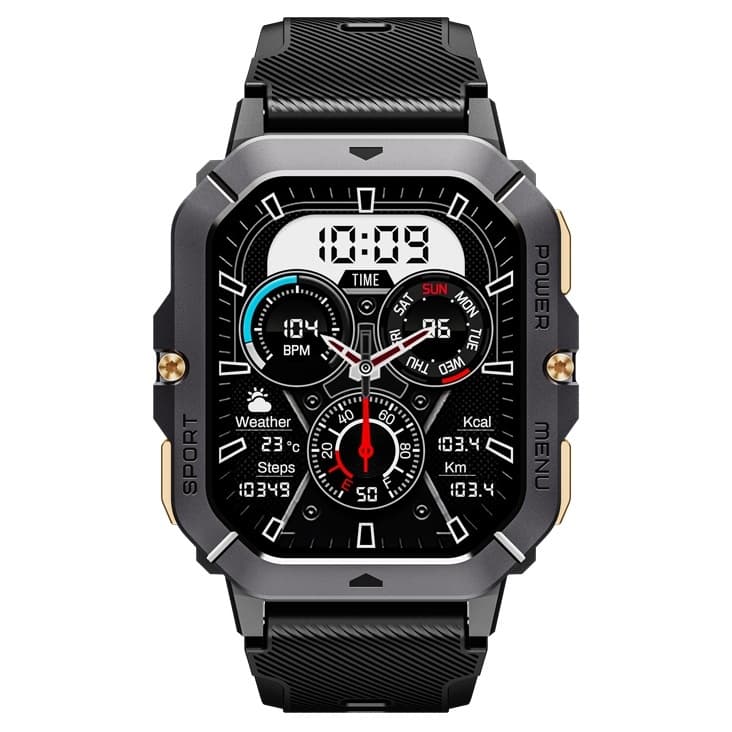
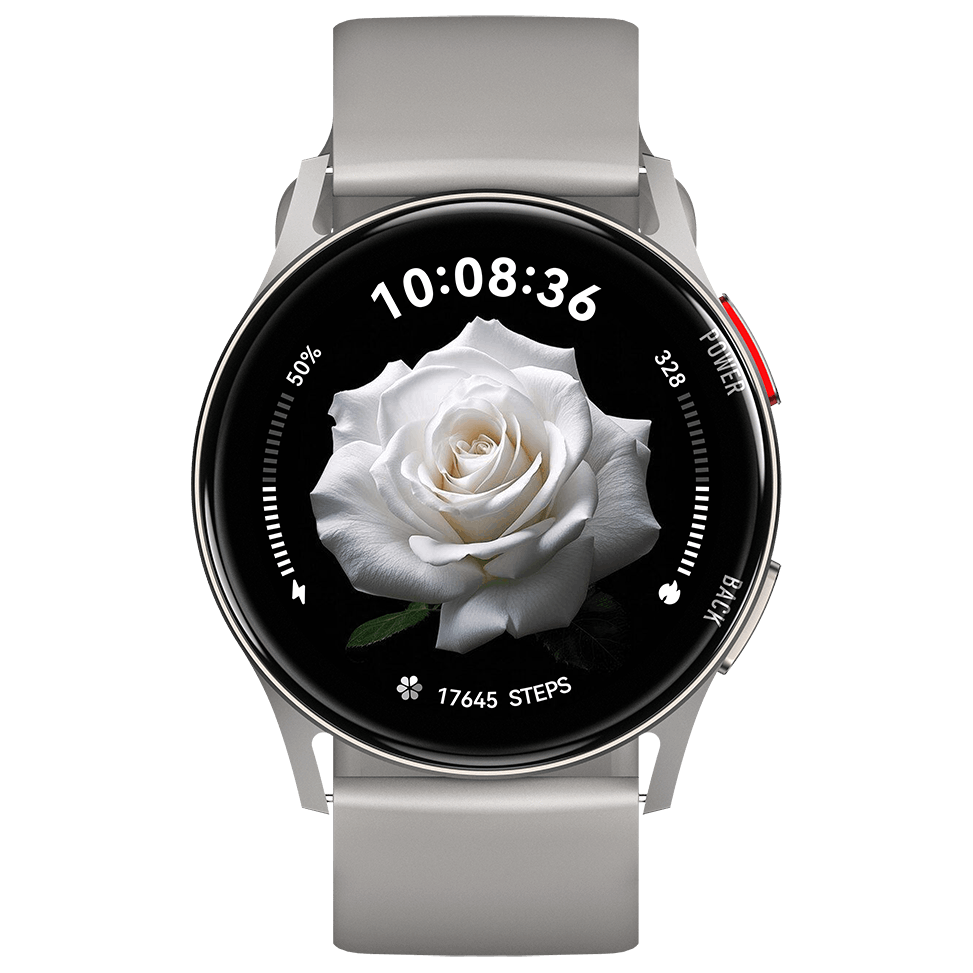
For customers developing entry-level outdoor smartwatches, we usually recommend a high-quality single-band GNSS platform because it balances battery life, cost, and positioning performance. Such as the model C31and C32Pro.
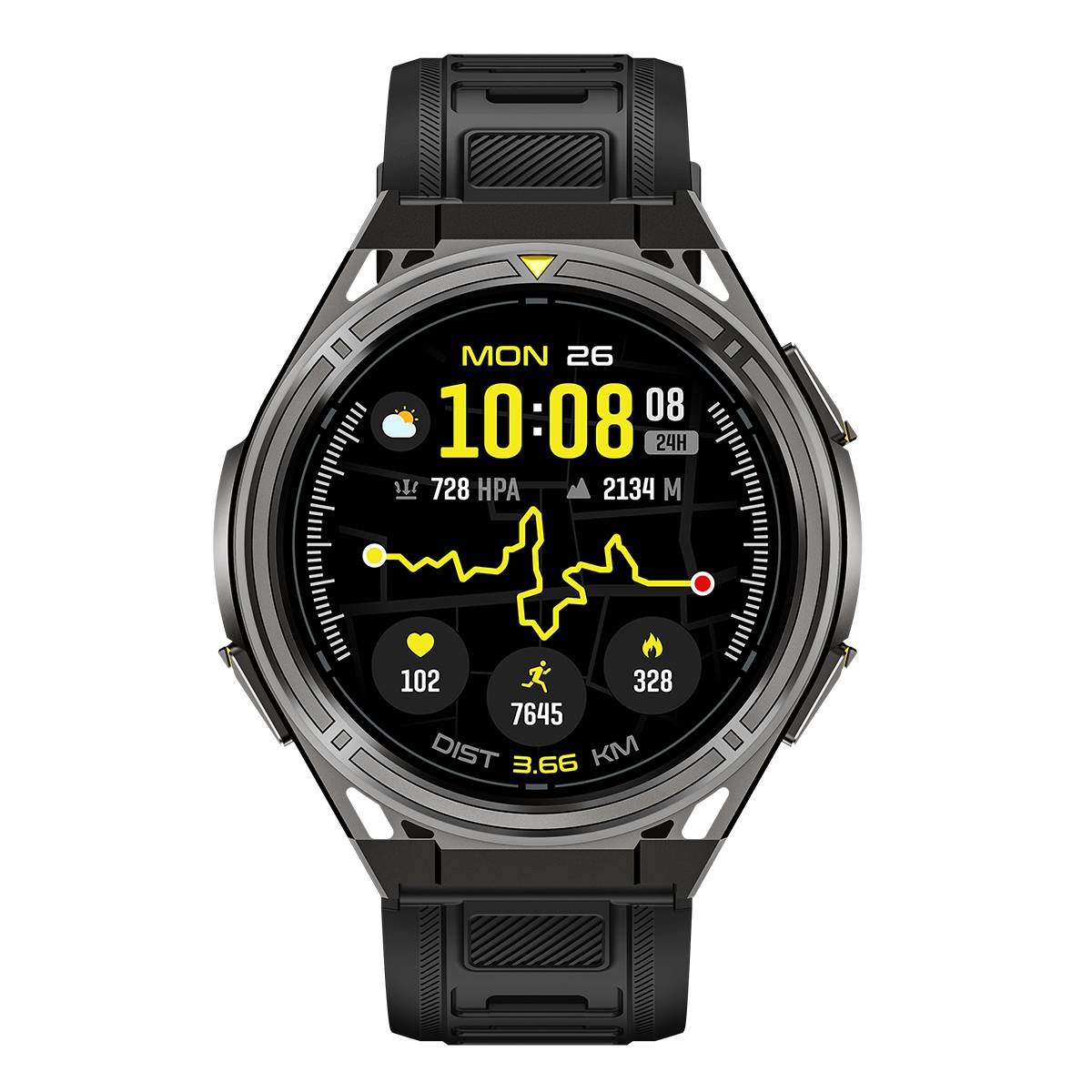
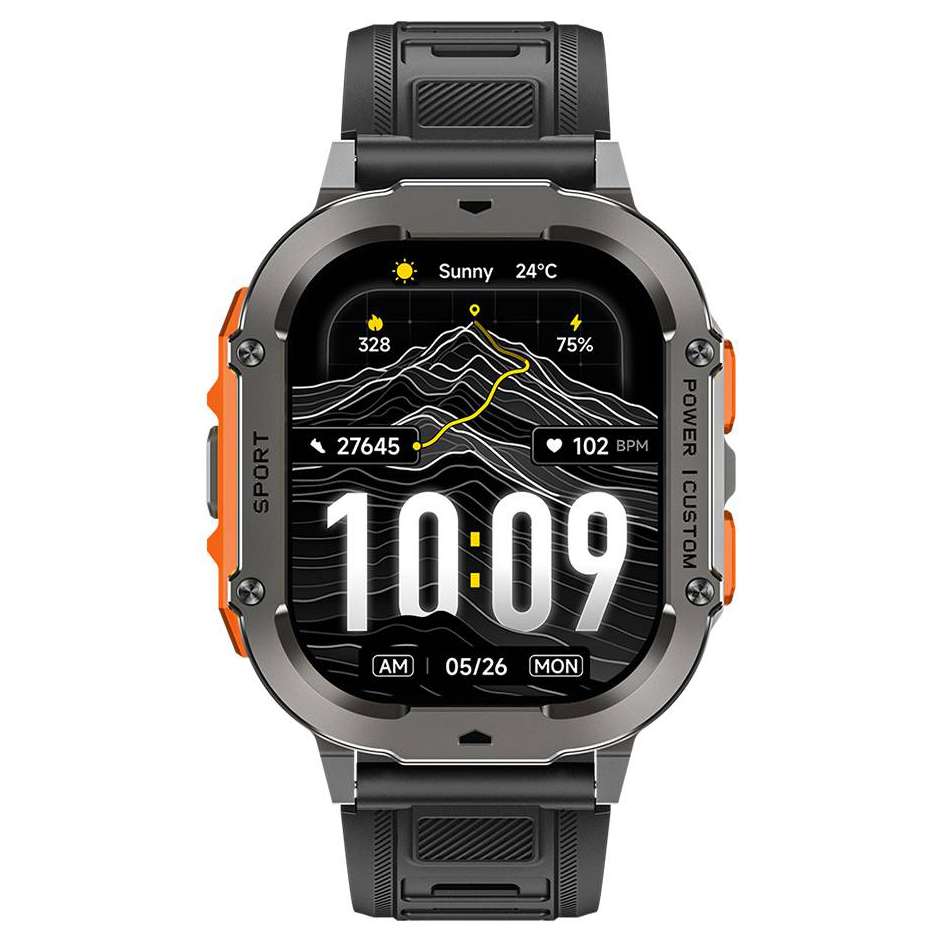
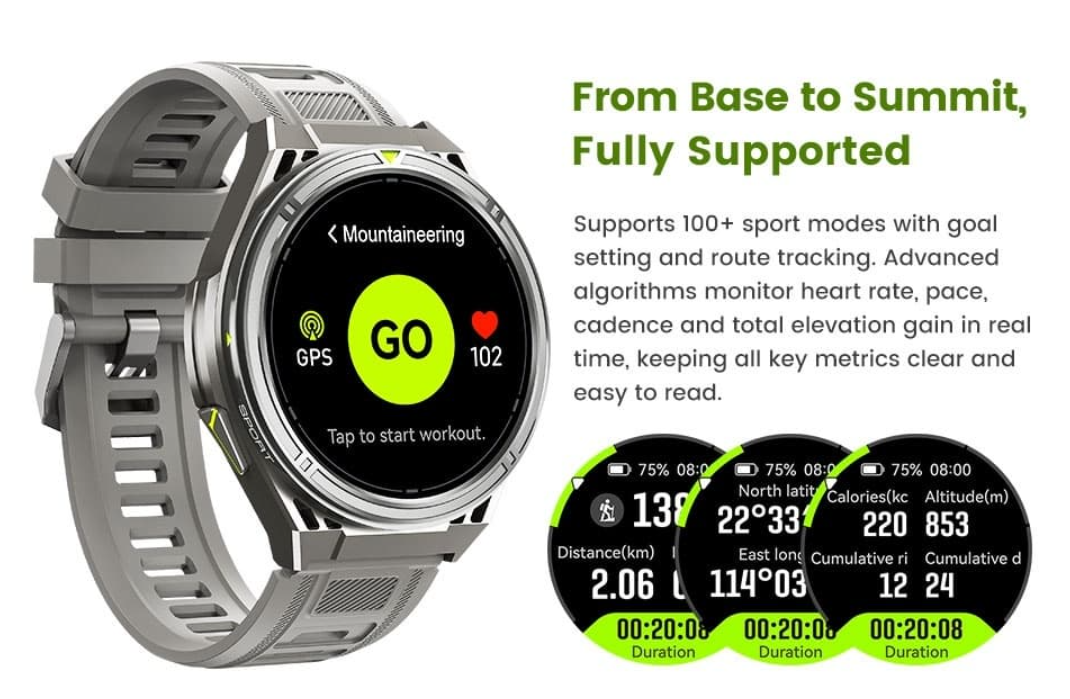
For premium hiking or adventure watches, dual-band GNSS provides significantly better accuracy in forests, mountains, and urban environments. Such as the model X2 , X5 and Leadoys X2Pro. Also, all of them with SOS emergency call function, compass, altitude and barometer.
Conclusion
GPS is a highly useful feature of smartwatches. Based on satellite positioning, it requires no internet, Bluetooth, or SIM card.
GPS positioning time can vary depending on whether it's a cold start, warm start, or hot start.
Buildings, forests, weather, and satellite visibility all affect positioning accuracy.
Whether you're a casual runner or a seasoned explorer, understanding how GPS works will help you get the most out of your smartwatch and choose the model that best suits your needs. For more info of our GPS smartwatch, please go to visit Leadoys GPS smartwatch series.
 0755-8290-9381
  +86 17665387052
  may.huang@leadoys.com
  Room 505, Building B, Bantian International Center, Longgang District, Shenzhen, China


